
Soul Therapy Dogs · Stories from Our Team
Mía: Growing Up in Our Family and Becoming a Therapy Dog
At a Glance
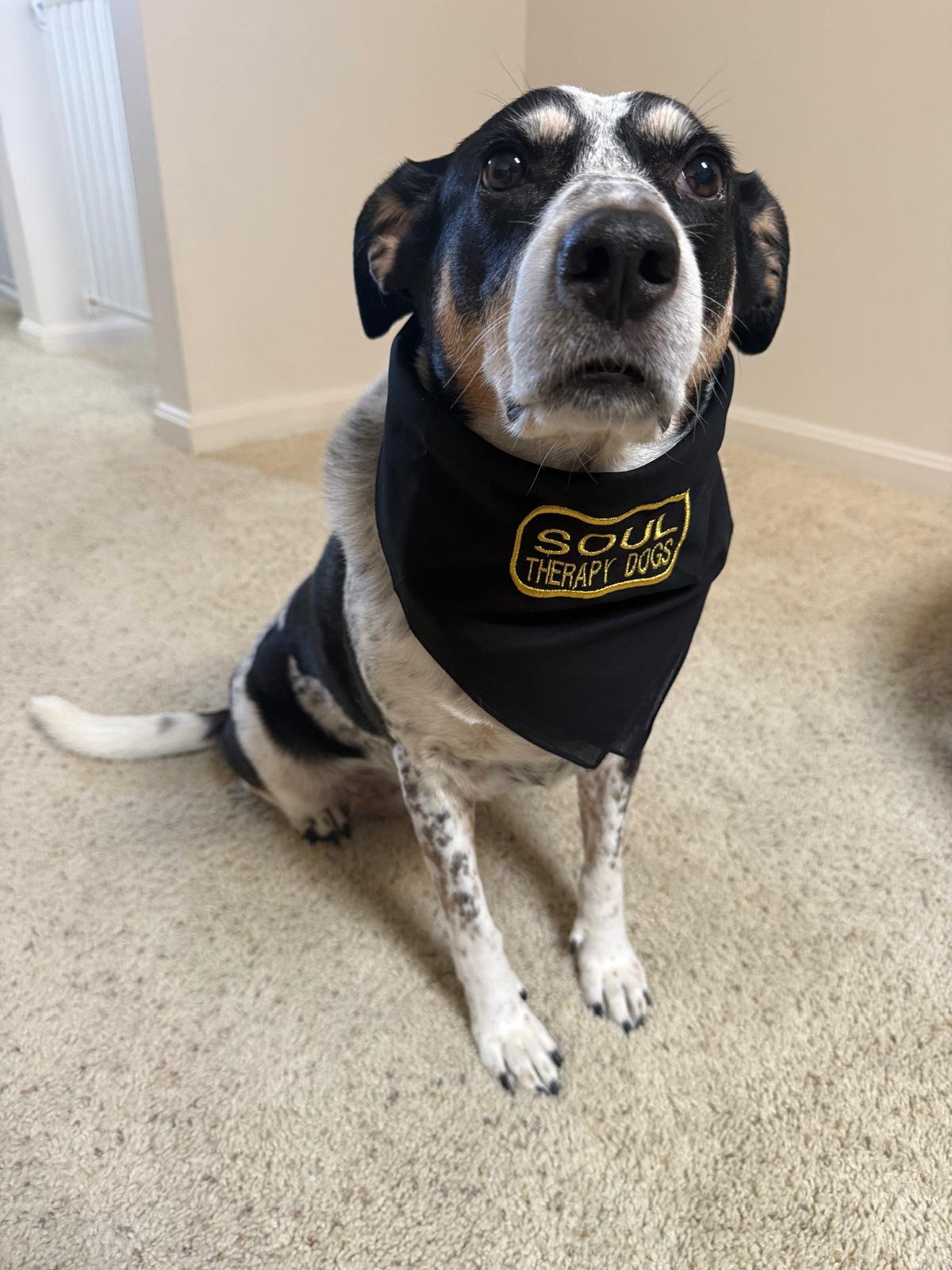
Mía joined our family as a puppy. Carlos Moriella shares how getting to know her personality shaped her preparation as a therapy dog and their visits and activities together in Rhode Island. Her story offers a personal look at the patience, teamwork, and attention to a dog’s well-being that this work requires.
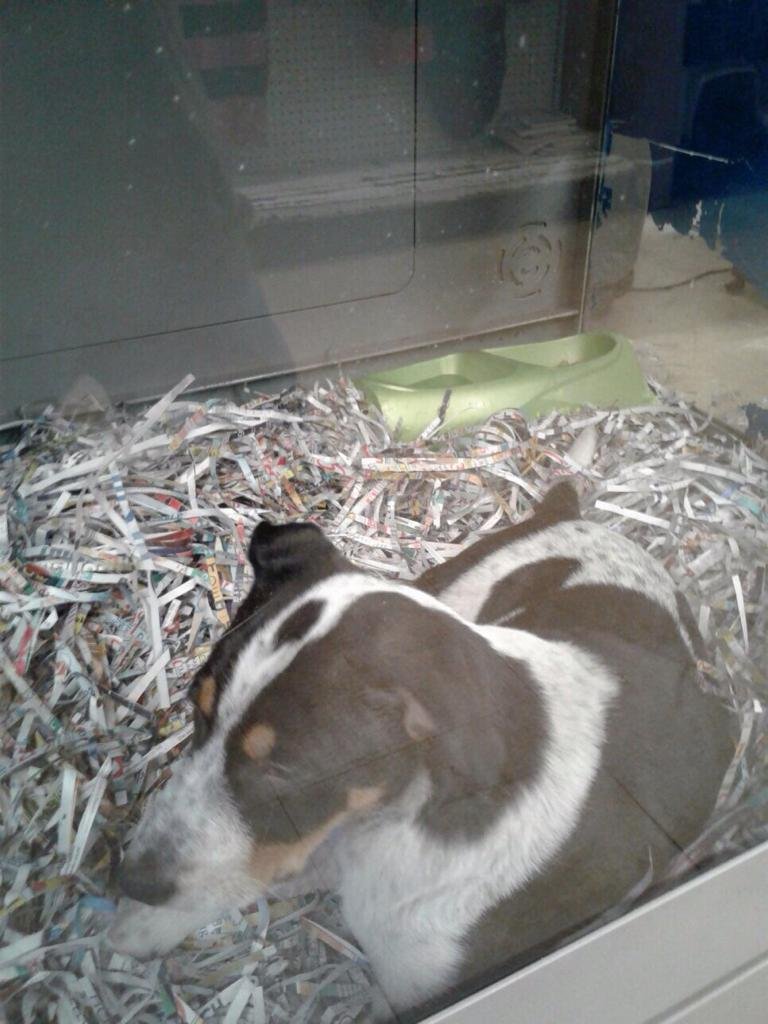
We were looking for a family pet when we met Mía. My wife and I spotted her at a pet store in Fall River, Massachusetts, inside a glass enclosure about six feet long. I asked if they could take her out so we could spend a few minutes with her. She was a puppy, and after that first meeting, we decided to bring her home. Today, I want to share her story and recognize the place she holds in our family and in our work with therapy dogs.
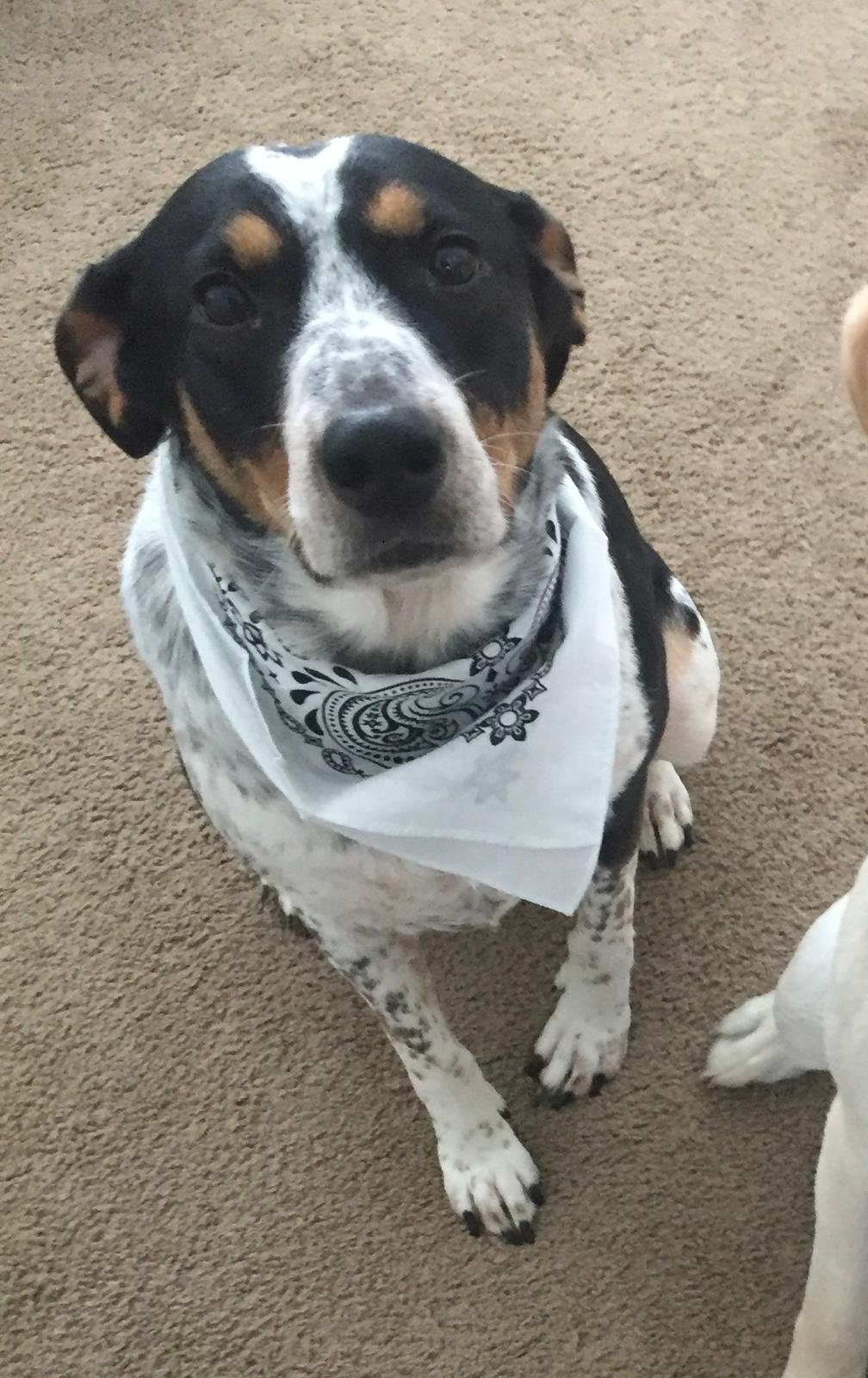
Once she was home, Mía needed time to settle in and get to know my wife, our two children, and me. We had a lot to learn about her, too. We began noticing what she enjoyed, how she asked for our attention, and how she responded to new experiences. Living together helped us understand her gradually, without rushing to ask more of her than she was ready for.

I have always believed that a dog’s personality deserves respect throughout training. I often say that we need to keep their spirit intact, because their individual way of being matters. With Mía, watching and getting to know her was as important as teaching her. To prepare her for therapy dog activities, we needed to recognize her strengths and understand where she felt comfortable.
How We Prepared Mía
I begin by looking for each dog’s strengths. That takes patience and a willingness to adjust our expectations as we learn. With Mía, everyday life helped guide her basic training, her socialization, and the exercises we later added to her preparation.
Over time, we taught her different tricks that could become part of an activity with other people. I thought about how an exercise might invite someone to participate or give them a way to approach her. As we introduced new things, we also had to keep watching Mía and making sure she was comfortable with what we were asking.
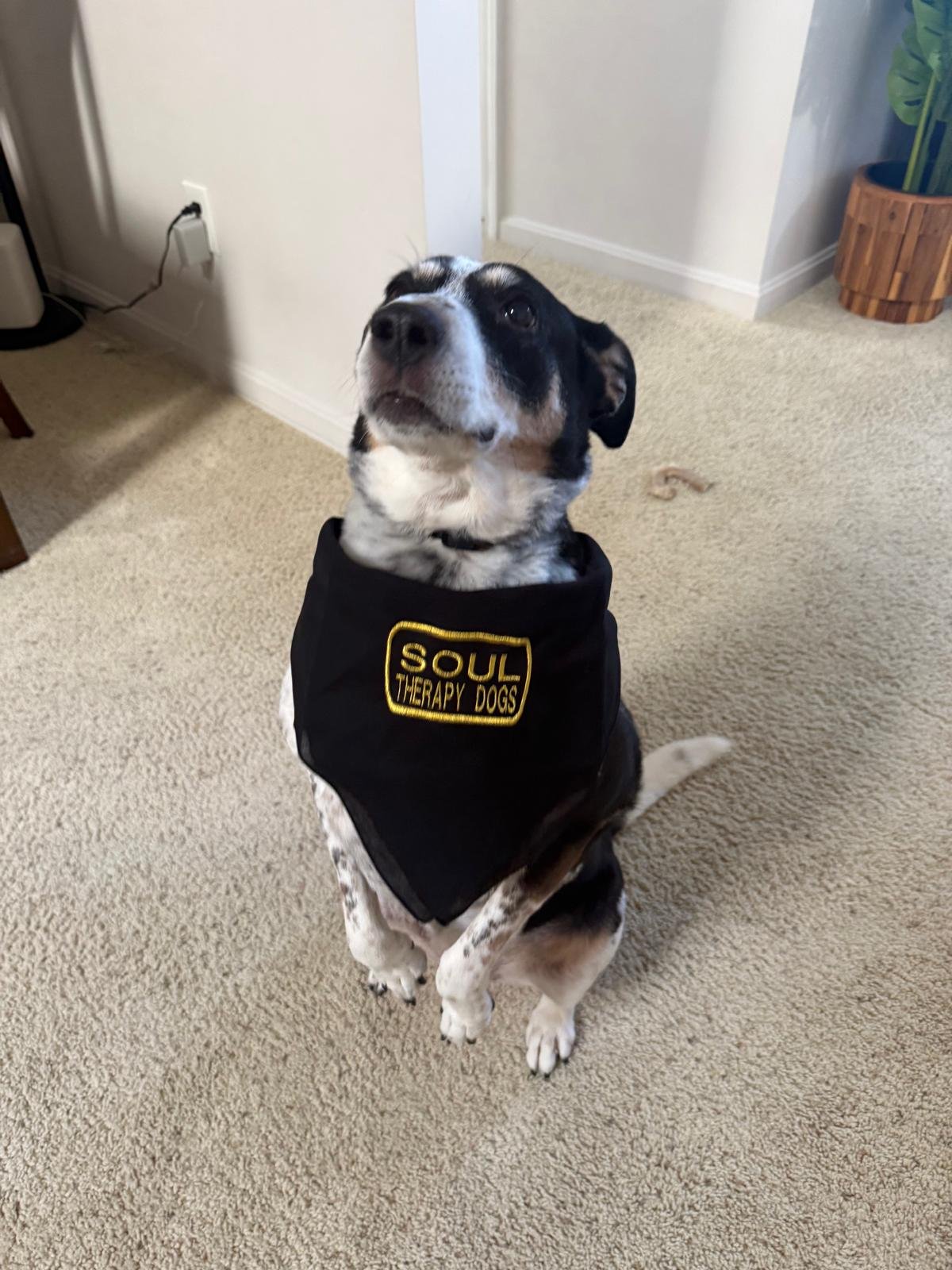
If you are considering therapy dog activities with your own dog, take time to observe how they respond to unfamiliar people, whether they enjoy the contact, and how they handle the environments where they might visit. Pet Partners includes these considerations in its program requirements. It also emphasizes the handler’s responsibility to read the animal’s body language and protect their well-being. Preparation and team evaluation help determine whether the activity is a good fit for both dog and handler.
For anyone interested in learning more about canine communication, I recommend Turid Rugaas’s El lenguaje de los perros. Las señales de calma, the Spanish-language book on canine calming signals. Learning to recognize what our dogs are communicating helps us make decisions during training and whenever we take part in an activity together.
My interest in this work has led me to keep learning. You can find my training in animal-assisted therapy and activities, along with related education and experience, on the Soul Therapy Dogs website. That education supports what I learn in practice, where each dog and each setting deserves careful attention.
Mía is part of a team credentialed by the Windwalker Humane Coalition for Professional Pet Assisted Therapy, a Rhode Island-based organization listed among the American Kennel Club’s recognized therapy dog organizations.
Mía’s Visits and Activities in Rhode Island
Over the years, July, Mía, and I have visited several Rhode Island Community Living and Support (RICLAS) group homes throughout the state of Rhode Island. Part of this work is recorded in a professional reference dated February 2024, which documents 70 visits by Mía and me over more than a year. We have included that reference in the Soul Therapy Dogs record of our experience.
Mía also took part in National Adoption Day in Rhode Island in 2022 and attended Portsmouth Police Community Day. The photos and records in our portfolio show some of the activities we have shared.
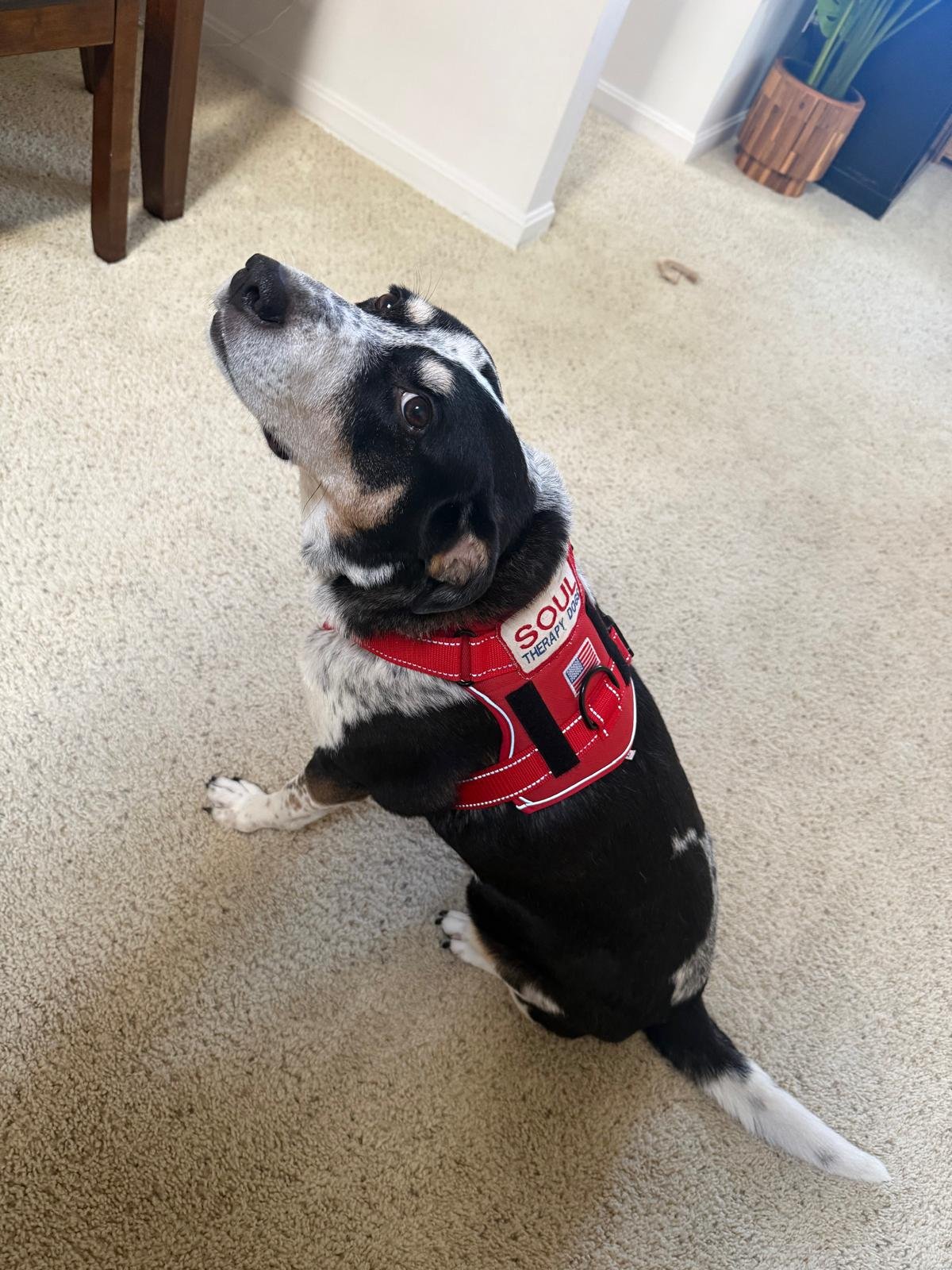
When we leave home and spend time with other people, we need to pay attention to what is happening around us and how the dog is experiencing it. Knowing Mía well helps us recognize when she can continue, when she needs a break, and when it is time to end an interaction.
What We Continue to Learn from Her
Mía’s well-being has to be part of every decision. Respecting her personality also means respecting her limits and accepting that her needs can change. The IAHAIO guidelines on animal welfare include health, rest, and comfort among the considerations for animal-assisted interventions. Putting that into practice means continuing to pay attention to the dog, however much experience we have together.
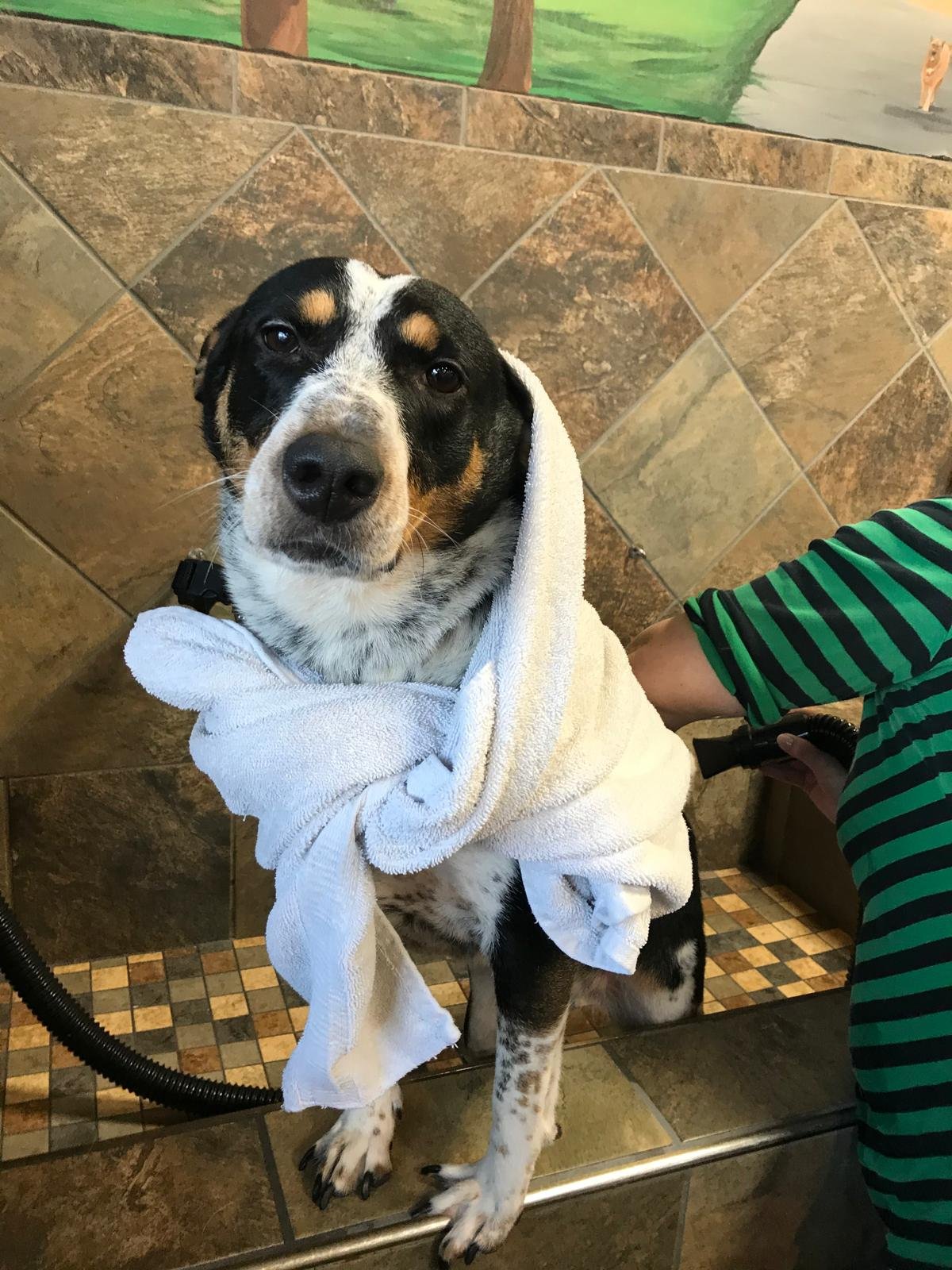
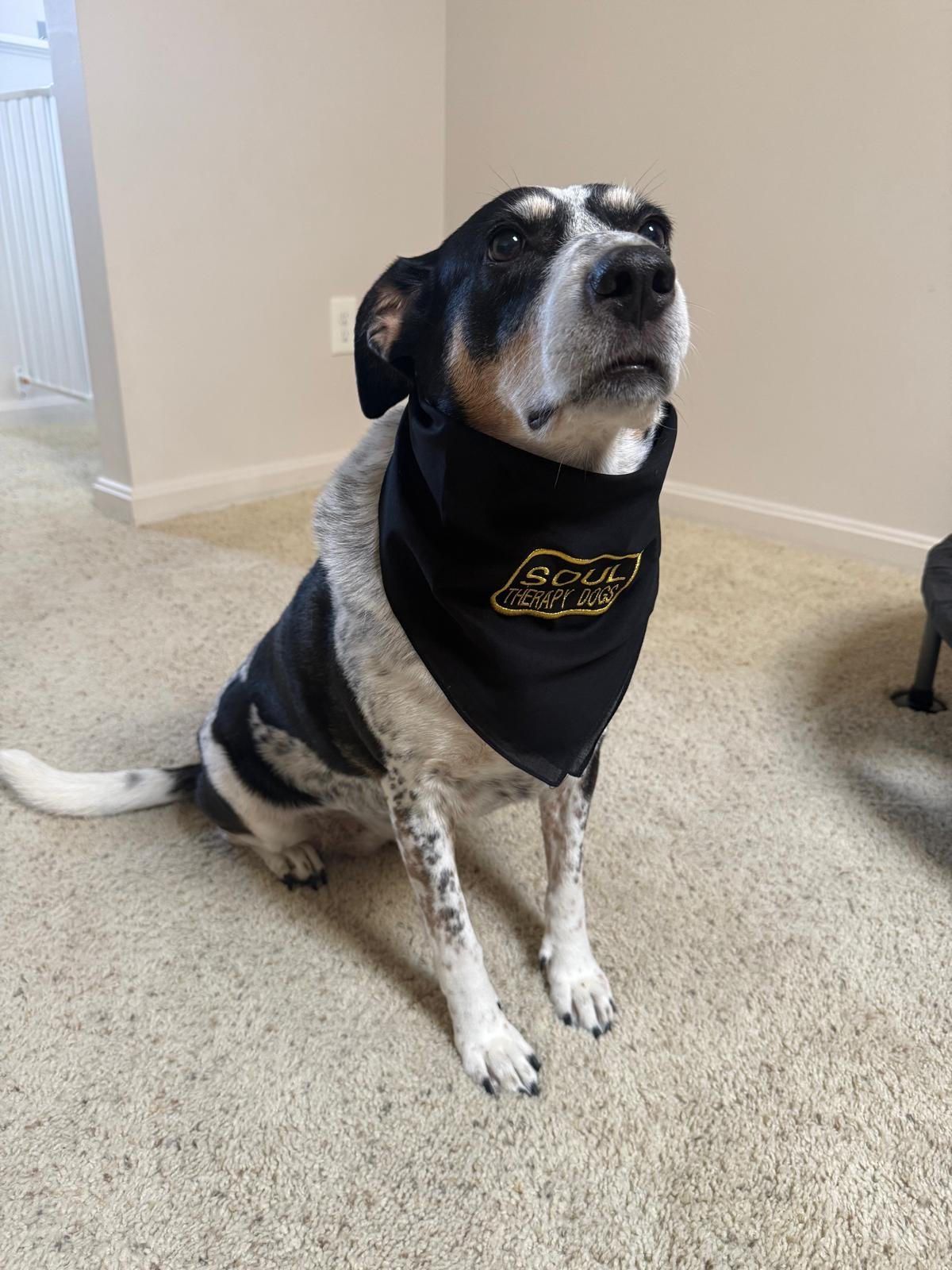
When I think back to the first time we saw Mía in Fall River, Massachusetts, I remember how much we still had to learn about her. Living together allowed us to discover her personality and support her as she grew and learned. Today, she has a place of her own in our family and in the story of Soul Therapy Dogs.
I wanted to dedicate this article to Mía because behind the visits, the exercises, and the photographs are the years we have spent getting to know her. That time together shapes how I work with dogs: paying attention to them, helping them develop their abilities, and caring for them as we spend time with other people.
Frequently Asked Questions About Therapy Dogs
Can any dog become a therapy dog?
Each dog needs to be evaluated individually. Health, temperament, enjoyment of interactions, and comfort in the intended setting all matter, along with the handler’s preparation and the program’s requirements. Being affectionate or learning tricks is not enough to determine whether this work is a good fit.
What does preparing a therapy dog involve?
Preparation includes basic training, appropriate socialization, learning to recognize canine body language, and training the handler. The dog’s well-being needs attention throughout the process, with breaks and adjustments as needed. Team evaluation depends on the program and the setting in which the team will participate.
What experience do Carlos, July, and Mía have in Rhode Island?
Carlos, July, and Mía have taken part in visits to several RICLAS group homes throughout Rhode Island. The Soul Therapy Dogs website includes a February 2024 professional reference documenting 70 visits by Carlos and Mía over more than a year. It also includes records of Mía’s participation in National Adoption Day in 2022 and Portsmouth Police Community Day.
How can an organization ask about a dog-assisted activity?
Contact Soul Therapy Dogs with your organization’s location, a general description of the participants, and the purpose of the activity you have in mind. An initial conversation helps clarify the setting, requirements, and possible next steps. Availability and suitability are considered for each situation.
Further Reading
- Documented Soul Therapy Dogs activities
- Carlos Moriella’s and July DeSousa’s education and experience
- Turid Rugaas. El lenguaje de los perros. Las señales de calma. KNS Ediciones. Spanish-language edition.